Bay Area Gas Appliance Update: Homeowners Are Being Heard
If you've been following my newsletter articles about the Bay Area's controversial new requirements for gas water heaters and furnaces, there has been an important development.
The rules haven't gone away—but the proposed timetable and requirements are changing.
In July, the Bay Area Air Quality Management District released proposed amendments that would delay the first deadline for residential water heaters by a full year, from January 2027 to January 2028. The proposal also includes exemptions for some homeowners who would otherwise face particularly difficult or expensive conversions.
Those exemptions could include homes with electrical panels under 100 amps or insufficient electrical capacity, situations requiring unusually long new electrical runs, properties without adequate space for a compliant water heater, and certain lower-income homeowners.
That's significant progress from where this issue stood when I first wrote about it this spring.
Remember, the Air District Board was closely divided over moving forward with the mandate—a 10–8 split earlier this year. The District ultimately continued down the regulatory path, but the concerns about cost and feasibility clearly haven't disappeared.
One important distinction: your existing gas water heater or furnace does not suddenly become illegal. The rules concern new replacement equipment, and the current changes are still proposals. The Air District Board is expected to consider the amendments this fall.
For homeowners—particularly those of us with older Bay Area homes—this remains an important issue to watch. I'll keep following it and let you know what the Board ultimately decides.
— Erin
As always, if you're curious about your home's current value, wondering whether this is the right time to buy or sell, or simply have a real estate question, we’re always happy to help.
Check out the latest market stats:
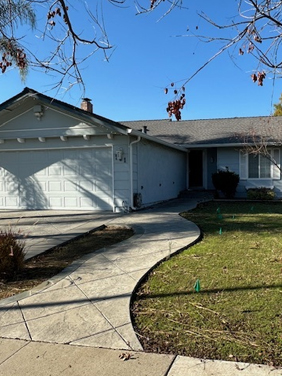
Single Family Homes
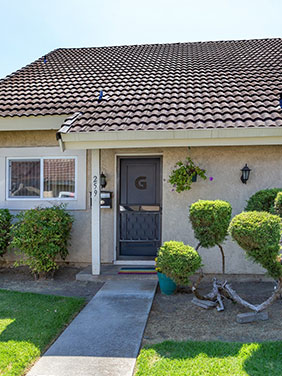
Condos and Townhouses
Did you know that our team can also show you NEW CONSTRUCTION, MODULAR HOMES, and MOBILE HOMES, or refer you to our network to buy WORLDWIDE?
408-644-5159
Erin@BenfordRealEstate.com
18+ years of Licensed Experience
46+ years of Owner Experience
One can download information from the internet; but, one cannot download expertise. We look for the red flags and negotiate for a living. Hire the experts. We will tell you the truth.